



SLEEP DISORDER TREATMENT IN LAHORE
Sleep Disorder Treatment That Helps You Rest Well and Wake Up Refreshed
Expert assessment and treatment for insomnia and other sleep problems at Dr. Maham Iqbal - Consultant Psychiatrist, Lahore.
Good sleep is not a luxury. It is essential for your mood, memory, energy and physical health. If you lie awake for hours, wake up exhausted, snore heavily, or struggle to stay awake during the day, your sleep needs attention. At Dr. Maham Iqbal - Consultant Psychiatrist, our specialists find out what is disturbing your sleep and treat the cause, using proven methods that work for the long term rather than quick fixes.
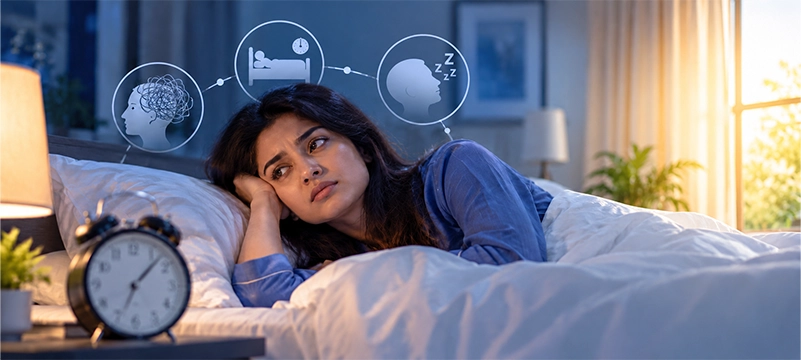
Sleep Problems Are Real Health Problems
Many people accept poor sleep as a normal part of busy life. They rely on extra cups of tea, afternoon naps or sleeping tablets from the pharmacy, and hope things will improve on their own. Months or years later, they are still tired, irritable and struggling to concentrate.
Ongoing sleep problems are recognised medical conditions. Over time, they raise the risk of depression, anxiety, high blood pressure, diabetes, weight gain and accidents, especially on the road. The good news is that most sleep disorders can be treated effectively once the real cause is identified.
Our sleep disorder service is built on three commitments:
Finding the real cause
Poor sleep can come from habits, stress, mental health, breathing problems or medicines. We look at all of them.
Treatment without dependence
We focus on proven, drug-free methods first, and use sleeping tablets only carefully and for short periods.
Practical, personal plans
Every recommendation is tailored to your routine, work hours and family life, so it is realistic to follow.
What Is a Sleep Disorder?
A sleep disorder is a condition that regularly affects how well, how long or when you sleep, and leaves you feeling unwell or unable to function properly during the day. The amount of sleep we need changes with age: babies sleep most of the day, children need around nine to ten hours, and most adults need roughly seven to nine hours. Older adults often sleep more lightly and wake more often.
One bad night is rarely a problem. A sleep disorder is suspected when difficulties continue for weeks and begin to affect daily life. Sleep disorders generally fall into three groups:
Sleeping too little
Difficulty falling asleep, staying asleep, or waking too early, known as insomnia, the most common sleep complaint.
Sleepy during the day
Excessive daytime sleepiness despite enough time in bed, as in sleep apnoea or narcolepsy.
Unusual events during sleep
Sleepwalking, night terrors, frequent nightmares or restless, uncomfortable legs at night.
Identifying which group your problem belongs to is the first step towards the right treatment.
Signs and Symptoms of a Sleep Disorder
Sleep disorders affect both your nights and your days. You may have a sleep disorder if you regularly notice several of the following for more than a few weeks, even if you spend enough time in bed:
At night
- Taking longer than 30 minutes to fall asleep
- Waking repeatedly and struggling to get back to sleep
- Waking very early and being unable to sleep again
- Loud snoring, choking or gasping during sleep
- Uncomfortable urges to move the legs when lying down
- Sleepwalking, shouting or frightening episodes during sleep
- Frequent nightmares that leave you afraid to sleep
During the day
- Feeling unrefreshed even after a full night in bed
- Dozing off while reading, watching TV or sitting in traffic
- Poor concentration, memory and decision-making
- Morning headaches or a dry mouth on waking
- Relying on naps, caffeine or energy drinks to get through the day
- Sudden sleep attacks or muscle weakness when laughing
Effects on mood and health
- Irritability, low mood or anxiety
- Worrying about sleep as bedtime approaches
- Falling behind at work or studies
- Feeling run down and unwell more often
When to seek help
If poor sleep has lasted more than a few weeks, keeps returning, or affects your mood, work, studies or safety, it is time to see a specialist. If you have already tried better sleep habits and are still struggling, a proper assessment can uncover causes that are easy to miss, such as breathing problems, medicines or hidden anxiety.
Never drive or operate machinery when you feel very sleepy, as drowsy driving causes many serious accidents. If a partner notices you stop breathing for long periods during sleep, or someone sleepwalks into dangerous situations, seek medical advice promptly.
Sleep Disorders We Treat
Insomnia (Difficulty Sleeping)
Insomnia is the most common sleep disorder. It means having trouble falling asleep, staying asleep or waking too early, at least three nights a week, despite having the chance to sleep. People often feel tired, irritable and unable to concentrate the next day.
Insomnia often begins during a stressful time, such as exams, illness, grief or work pressure, and then continues because of habits that develop around it, such as spending long hours in bed, napping, using screens late at night, or lying awake worrying about sleep. It is also strongly linked with anxiety, depression, pain and some medicines. Caffeine, nicotine, alcohol and irregular routines make it worse.
Cognitive behavioural therapy for insomnia (CBT-I) is the most effective long-term treatment. It works better than sleeping tablets over time and has no risk of dependence. Most people need only a handful of sessions.
Sleep Apnoea (Breathing Pauses During Sleep)
In obstructive sleep apnoea, the airway in the throat repeatedly narrows or closes during sleep, causing breathing to pause. The brain briefly wakes the person to restart breathing, often with a snort or gasp, many times each night without them realising it.
The result is loud snoring, broken sleep, waking to pass urine at night, morning headaches and severe daytime sleepiness. It is more common in people who are overweight, older, smoke or drink alcohol, and is often first noticed by a partner. Untreated, it raises the risk of high blood pressure, heart disease, stroke, diabetes and road accidents.
We assess your symptoms, arrange or refer for a sleep study when needed, and coordinate treatment such as weight management, positional advice and CPAP therapy with sleep and ENT specialists.
Narcolepsy and Excessive Daytime Sleepiness
Narcolepsy is an uncommon brain condition that causes overwhelming sleepiness and sudden sleep attacks during the day, even in conversation or at meals. Some people also experience cataplexy, a sudden loss of muscle strength triggered by laughter, anger or excitement.
Other features can include sleep paralysis, vivid dream-like images when falling asleep or waking, and doing things automatically without remembering them. Because it is uncommon, narcolepsy is often missed for years or mistaken for laziness or depression. It usually begins in the teenage years or early adulthood.
Careful assessment and referral for specialist sleep tests, followed by structured daytime naps, a regular sleep routine and medication to improve alertness where appropriate.
Sleepwalking, Night Terrors and Nightmares
Sleepwalking and night terrors happen during deep sleep. A sleepwalker may get up, walk around or perform complex actions without awareness, while a person with night terrors may sit up screaming and look terrified, yet remember nothing in the morning. Both are more common in children and often fade with age.
Nightmares are frightening dreams that usually occur in the later part of the night and are remembered clearly. Frequent nightmares often follow a traumatic event such as an accident, assault or loss, and can be part of post-traumatic stress. Stress, sleep loss, fever and some medicines can make all of these episodes more likely.
Safety measures at home, such as securing doors, windows and sharp objects, reducing triggers such as sleep loss and stress, and specialised therapy for trauma-related nightmares. Medication is considered only when episodes are frequent or dangerous.
Other Sleep Problems We Assess
We also help with:
- Restless legs syndrome, with uncomfortable urges to move the legs in the evening
- Body clock problems, such as very late sleep times or shift work disorder
- Sleep problems with depression, especially early-morning waking
- Sleep problems with anxiety, with racing thoughts at bedtime
- Dependence on sleeping tablets, and safe, gradual reduction
- Sleep paralysis, which can be frightening but is not dangerous
- Sleep in older adults, including light, broken sleep
- Sleep in children and teenagers, including screen-related sleep problems
Restless legs can be linked to low iron, pregnancy, kidney problems or diabetes, so simple blood tests are often part of the assessment.
Every plan starts with understanding your individual sleep pattern, then treating both the sleep problem and anything behind it, from stress and mood to physical health and medicines.
Not sure what is disturbing your sleep?
You do not need to know the cause. Our assessment will find it.
How We Assess Sleep Problems
Sleep problems have many possible causes, so a careful assessment is the key to effective treatment. Your assessment includes:
-
STEP 1
A detailed sleep history, covering your bedtime routine, sleep and wake times, naps, caffeine and screen use, and how you feel during the day.
-
STEP 2
A sleep diary kept for one to two weeks, which often reveals patterns you had not noticed, such as long naps or irregular wake times.
-
STEP 3
Input from a partner or family member, who may notice snoring, breathing pauses, movements or sleepwalking.
-
STEP 4
A medical and medication review, since conditions such as thyroid problems, pain, reflux and many medicines affect sleep.
-
STEP 5
Mental health screening, because anxiety, depression and stress are among the most common causes of poor sleep.
Where needed, we arrange blood tests, for example to check iron or thyroid levels, or refer for an overnight sleep study. You will leave with a clear explanation and a practical plan.
Our Treatment Approach
We start with the safest and most effective treatments and add more support only when needed.
Sleep education and healthy habits
Small changes can make a big difference. We help you build habits that support natural sleep, including:
- A regular wake-up time, every day, including weekends
- A comfortable bedroom, quiet, dark and not too hot or cold
- Less caffeine, avoiding tea, coffee and energy drinks after mid-afternoon
- Daytime activity, with exercise earlier in the day rather than late evening
- A wind-down routine, away from screens for the last hour before bed
- Lighter evening meals, and avoiding alcohol and smoking near bedtime
Cognitive behavioural therapy for insomnia (CBT-I)
CBT-I is a structured, short-term therapy that retrains the brain to sleep. It includes stimulus control, which rebuilds the link between bed and sleep by going to bed only when sleepy and getting up if unable to sleep; sleep scheduling, which consolidates broken sleep; techniques to quiet racing thoughts; and relaxation methods such as progressive muscle relaxation.
Most people notice improvement within four to eight weekly sessions, and the benefits usually last long after treatment ends, because you learn skills you can use for life.
Treating underlying causes
When anxiety, depression, trauma, pain or a medical condition is disturbing sleep, treating it directly is essential. Our psychiatrists and psychologists address these conditions alongside your sleep plan, so improvements in mood and sleep support each other.
Medication, when it is needed
Sleeping tablets can help for a few nights during a crisis, but they lose their effect over time, can cause next-day drowsiness, and some carry a risk of dependence. We prescribe them only for short periods, at the lowest effective dose, and plan how to stop them from the start. Other medicines may be used for specific conditions such as restless legs or narcolepsy.
Do not buy sleeping tablets without a prescription or stop long-term sleeping tablets suddenly. Speak to your doctor about a safe plan.
Specialist care and follow-up
For sleep apnoea and other conditions needing specialised tests or equipment, we coordinate care with sleep and ENT specialists. Regular follow-ups track your progress, check how well you are tolerating any treatment, and adjust the plan until your sleep is stable.
Why Choose Dr. Maham Iqbal - Psychiatrist for Sleep Disorder Treatment?
Whole-person assessment
We look at your habits, mind, body and medicines together, because sleep problems rarely have a single cause.
CBT-I expertise
Trained psychologists who deliver the most effective long-term treatment for insomnia.
Careful prescribing
Sleeping tablets only when truly needed, for short periods, with a clear plan to stop.
Mental health and sleep together
Psychiatrists who treat the anxiety, depression or stress behind poor sleep.
Coordinated specialist referrals
Links with sleep study and ENT services when tests or equipment are needed.
Confidential care
Your consultations, sleep records and health information remain private at all times.
Convenient appointments
In-clinic and online follow-ups available.
Your First Appointment
A little preparation helps us understand your sleep quickly. Here is what to expect:
- 1 Book your appointment by phone, WhatsApp or our online form.
- 2 Keep a short sleep diary for a week before your visit if you can, noting bedtimes, wake times and naps.
- 3 Bring a partner or family member if possible, especially if snoring or night-time behaviour is a concern.
- 4 Discuss your sleep and health in a relaxed, unhurried consultation, including any medicines you take.
- 5 Leave with a clear plan and practical steps you can start the same night, with a follow-up date to review progress.

Common Myths About Sleep
A drink before bed helps you sleep.
Alcohol may help you fall asleep, but it breaks up sleep later in the night and makes snoring and sleep apnoea worse. It also reduces the deep, restorative stages of sleep.
Loud snoring is harmless.
Snoring with gasping, breathing pauses or daytime sleepiness can be a sign of sleep apnoea, which needs assessment because it affects the heart and blood pressure.
Sleeping tablets are the best cure for insomnia.
Tablets may help briefly, but CBT-I is more effective long term and carries no risk of dependence.
You can catch up on lost sleep at the weekend.
Long lie-ins disrupt your body clock and can make weekday sleep worse. A regular wake-up time, even after a poor night, works far better.
Older people need much less sleep.
Sleep becomes lighter with age, but most older adults still need about seven hours. Poor sleep in later life often has a treatable cause.
Lying in bed longer will help me sleep more.
Spending too long awake in bed often makes insomnia worse. Getting up and doing something calm until you feel sleepy is more helpful.
Frequently Asked Questions
How much sleep do I need?
Most adults need around seven to nine hours, but needs vary from person to person. The best guide is whether you feel refreshed and alert during the day.
Is it dangerous to wake a sleepwalker?
It is not dangerous, but the person may be confused or upset. It is usually best to gently guide them back to bed.
Can stress alone cause insomnia?
Yes. Stress is one of the most common triggers. If sleep does not recover once the stress settles, treatment can help break the cycle of worry and wakefulness, often within a few weeks.
Are sleeping tablets addictive?
Some can cause dependence, especially when used for weeks or months. This is why we use them only for short periods.
Is melatonin safe?
Melatonin can help some people, particularly with body clock problems or jet lag, but it is not suitable for everyone and should be used on medical advice.
How long does treatment take?
Many people improve within a few weeks of CBT-I. Conditions like sleep apnoea or narcolepsy need longer-term management, with regular reviews.
Can poor sleep cause depression?
Long-term poor sleep increases the risk of depression and anxiety, and these conditions also disturb sleep, so we treat both together.
Should I take naps during the day?
Short naps of under 30 minutes, early in the afternoon, are fine for most people. Long or late naps can make insomnia worse.
Does using my phone at night affect sleep?
Yes. Screens keep the mind alert and their light can delay sleep. Putting devices away an hour before bed often helps.
Is my information confidential?
Yes. Your information is kept strictly private and never shared without your consent, except where the law requires it.
Better Sleep Starts Today
Poor sleep can affect every part of your life, but it does not have to be permanent. With the right assessment and treatment, most people sleep better, feel more energetic and enjoy their days again.
Our team at Dr. Maham Iqbal - Consultant Psychiatrist is here to help you understand your sleep and take the first step towards restful nights and brighter, more energetic days.
If you feel too sleepy to drive safely, do not drive. If someone stops breathing for long periods during sleep, cannot be woken, or is having thoughts of harming themselves, please contact emergency services or go to your nearest hospital emergency department immediately.
More Services
- Anxiety Treatment
- Panic Attack Treatment
- Personality Disorder Treatment
- Depression Treatment
- Drug Addiction
- OCD Treatment
- Sleep Disorder Treatment
- Bipolar Disorder Treatment
- Generalized Anxiety Disorder Treatment
- Psychotherapy
- Child and Adolescent Mental Health
- Schizophrenia Treatment
- PTSD Treatment