


DRUG & ALCOHOL ADDICTION IN LAHORE
Drug Addiction: Understanding the Signs, Causes and Effects
Clear, reliable information for individuals and families, from the team at Dr. Maham Iqbal - Consultant Psychiatrist, Lahore.
Drug addiction can quietly take control of a person's health, family, work and future. Many families notice that something is wrong long before they understand what it is. This page explains what addiction is, how to recognise it, why it happens, and how it affects the brain and the whole family, so you can take the right step sooner.
Addiction Is an Illness, Not a Weakness
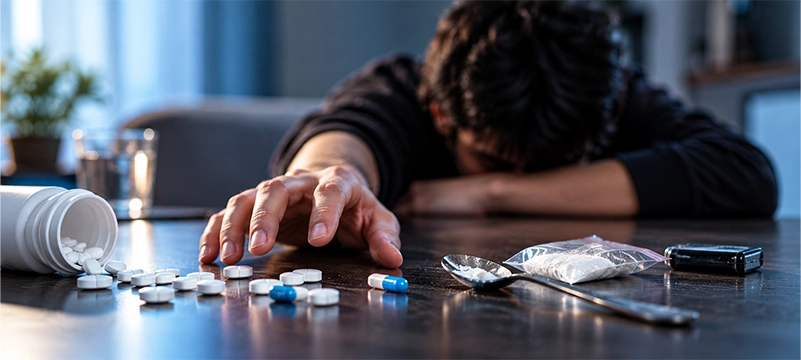
Many families believe addiction is simply a bad habit or a lack of willpower. They try lectures, promises, locked doors and even anger, and still the drug use continues. This is not because the person does not care. It is because addiction changes the way the brain works, making it extremely difficult to stop without proper help.
Drug addiction, known medically as substance use disorder, is a recognised medical and mental health condition. Like diabetes or high blood pressure, it needs the right diagnosis, the right treatment and ongoing support. With professional care, people recover every day and return to their families, studies and careers.
Three facts every family should know:
It changes the brain
Repeated drug use alters the brain's reward and self-control systems, which is why willpower alone is rarely enough.
Anyone can be affected
Addiction affects people of every age, gender, income and background, including educated and successful people.
Recovery is possible
With the right help and support, people recover every day and rebuild their health and relationships.
What Is Drug Addiction?
Drug addiction is a condition in which a person loses control over the use of a substance, whether it is an illegal drug, alcohol or a prescribed medicine. They continue using it even when it is clearly harming their health, relationships, finances and responsibilities.
Addiction usually develops gradually. It often begins in one of three ways:
Experimenting
Trying a drug out of curiosity or with friends, often at a young age, which slowly turns into regular use.
Escaping difficult feelings
Using drugs or alcohol to cope with stress, sadness, loneliness, trauma or problems at home or work.
Prescribed medicines
Becoming dependent on painkillers or sleeping pills that were first taken for a genuine medical reason.
Over time, the body adapts. A person needs larger amounts to feel the same effect, which is called tolerance. When they try to stop, they experience withdrawal symptoms, such as cravings, restlessness, body aches, sleeplessness and low mood. To avoid feeling unwell, they use again, and the cycle continues. Some substances, such as heroin, ice and other opioids or stimulants, can lead to addiction much faster than others.
Signs and Symptoms of Drug Addiction
Addiction affects behaviour, the body and relationships. You or someone you love may be struggling with addiction if several of the following are true.
Loss of control and cravings
- Feeling the need to use the drug every day, or several times a day
- Intense cravings that push out other thoughts
- Needing more of the drug to get the same effect
- Repeatedly trying to stop or cut down, and failing
- Feeling unwell, restless or irritable when the drug is not available
Changes in life and behaviour
- Spending a lot of money on drugs, even when you cannot afford it
- Spending a lot of time getting, using or recovering from the drug
- Neglecting work, studies, family responsibilities or hobbies
- Continuing to use despite physical, mental or family problems
- Taking risks while under the influence, such as driving or fighting
- Doing things you normally would not do to get drugs, such as lying or stealing
Warning signs families often notice
- School or work: frequent absences, falling grades or performance, and a sudden loss of interest
- Physical changes: red eyes, sudden weight loss or gain, low energy, unusual smells on clothes, or marks on the arms
- Self-care: neglecting hygiene, grooming and appearance
- Behaviour: secrecy, locking the room, new friends, mood swings, anger outbursts or withdrawal from family
- Money: repeated requests for money without a clear reason, or money and valuables going missing from home
When to get help
If drug or alcohol use is affecting health, studies, work, relationships or finances, it is time to speak to a specialist. The earlier treatment begins, the easier recovery tends to be. You do not need to wait for things to reach rock bottom.
Call emergency services or go to the nearest hospital if someone has taken an overdose, is very drowsy or cannot be woken, has trouble breathing, has a seizure, shows chest pain or pressure, or becomes severely confused, aggressive or out of touch with reality.
Common Substances and Their Signs
Heroin, Opioids and Painkillers
Heroin and opioid painkillers are among the most addictive substances. Signs of use include small pupils, drowsiness, slurred speech, poor attention and memory, constipation and, in people who inject, needle marks. Many people first become dependent on prescription painkillers or injections before moving to street drugs.
Withdrawal can be very distressing, with body aches, sweating, a runny nose, diarrhoea, anxiety and strong cravings, which is why many people struggle to stop on their own. Sharing needles also carries a serious risk of HIV and hepatitis.
Opioid withdrawal is rarely life-threatening on its own, but overdose is. Mixing opioids with alcohol or sleeping pills greatly increases the risk of stopped breathing.
Ice (Crystal Meth), Cocaine and Other Stimulants
Stimulants give a false burst of energy and confidence. Signs of use include restlessness, rapid speech, wide pupils, not sleeping for a day or more, weight loss, aggression and sudden mood changes. Some people start using them to work longer hours, study or lose weight.
Heavy use can cause paranoia, hallucinations and violent behaviour, sometimes continuing even after the drug has worn off. When the effect fades, many people crash into deep exhaustion and depression.
Ice can trigger severe paranoia and psychosis, sometimes after only a short period of heavy use, and these symptoms can continue after the drug wears off.
Cannabis (Charas, Hashish, Marijuana)
Cannabis is often the first drug a person tries, and many believe it is harmless. Signs of use include red eyes, dry mouth, a strong smell on clothes, slowed reactions, poor memory and concentration, unusual hunger, and anxiety or suspicion of others.
Long-term use, especially in young people, is linked to falling performance at school or work, loss of motivation, narrowing of interests and friendships, and in some people serious mental health problems such as psychosis.
Cannabis is not harmless. Regular use in teenagers and young adults is linked to memory problems, loss of motivation and a higher risk of psychosis.
Alcohol
Alcohol addiction often hides in plain sight. Signs include drinking more or for longer than intended, drinking in secret, needing alcohol to relax or sleep, shaking or sweating in the morning, and repeated failed attempts to cut down.
Long-term heavy drinking damages the liver, heart, pancreas and brain, raises blood pressure and the risk of stroke and several cancers, and increases the risk of accidents and suicide. Stopping suddenly after heavy drinking can trigger dangerous withdrawal, including seizures.
Stopping alcohol suddenly after long-term heavy drinking can cause seizures and severe confusion, so it should never be done without medical advice.
Sleeping Pills and Tranquilisers
Medicines prescribed for sleep or anxiety can be helpful in the short term, but they are commonly misused to relax or escape stress. Signs of misuse include drowsiness, slurred speech, poor coordination, memory problems, mood changes, falls and accidents, and visiting several doctors or pharmacies for more tablets.
Mixing these medicines with alcohol or opioids is especially dangerous because it can slow breathing. Stopping them suddenly after long-term use can cause severe withdrawal, including seizures.
Many people become dependent on these medicines while taking them exactly as first prescribed. Dependence is a medical problem, not a moral failing.
Other Substances
We also treat addiction to and misuse of:
- Inhalants, such as glue, paint thinner, petrol and correction fluid, which can cause brain damage and sudden death
- Club drugs, such as ecstasy (MDMA) and ketamine, which affect judgement, memory and body temperature
- Hallucinogens, such as LSD, which can cause frightening hallucinations and flashbacks long after use
- Nicotine, including cigarettes, vapes and other tobacco products, often alongside other substances
- Multiple substances, which is common and needs especially careful medical planning
- Prescription medicines, including cough syrups and other medicines taken outside medical advice
Many people use more than one substance, and many also live with depression, anxiety or other mental health conditions alongside addiction.
Using more than one substance together, especially alcohol, sleeping pills and opioids, is one of the most common causes of accidental overdose.
Why Does Addiction Happen?
There is rarely one single cause. Addiction usually develops from a combination of factors, and anyone, of any age, gender or background, can be affected.
Risk factors
- Family history: addiction is more common in some families, partly because of inherited factors
- Mental health conditions: depression, anxiety, ADHD and trauma increase the risk, as drugs are often used to cope
- Peer pressure: one of the strongest reasons young people start using drugs
- Family difficulties: conflict at home or a weak bond with parents and siblings
- Early use: using drugs at a young age affects the developing brain and raises the risk of addiction
- Highly addictive substances: some drugs, such as opioids and ice, cause dependence much faster
Complications if left untreated
- Physical health: damage to the liver, heart, lungs and brain, overdose, and infections such as HIV and hepatitis
- Mental health: depression, anxiety, and drug-induced psychosis with suspicion, hallucinations or violent behaviour
- Safety: accidents, injuries and a higher risk of suicide
- Family: conflict, broken trust, and emotional strain on parents, spouses and children
- Work and studies: falling performance, missed opportunities and job loss
- Legal and financial: debt, theft, police cases and loss of property
The good news is that the brain and body can heal. With treatment and time, many of these problems improve significantly.
Anyone can be affected — addiction is a medical condition that responds to the right diagnosis, treatment and ongoing support.
Worried about someone?
Speak to our team confidentially. We will help you understand what you are seeing and what to do next.
How Addiction Affects the Brain
Understanding what happens in the brain helps explain why people cannot simply stop. Addiction develops through a series of changes:
-
STEP 1
A powerful reward: drugs release large amounts of dopamine, the brain's pleasure chemical, far more than normal rewards such as food or friendship.
-
STEP 2
Tolerance: the brain adapts by reducing its own response, so the person needs more of the drug to feel the same effect.
-
STEP 3
Dependence: without the drug, the person feels unwell, anxious and low, and uses again simply to feel normal.
-
STEP 4
Cravings and triggers: people, places and stress become linked with the drug and can set off intense cravings, even after long periods without use.
-
STEP 5
Weaker self-control: the parts of the brain responsible for judgement and decision-making are affected, making it harder to resist using.
The encouraging news is that the brain can heal. With time away from drugs and the right support, many of these changes improve significantly.
How to Help a Loved One with Addiction
It is very common for a person with addiction to deny the problem or refuse help. This is part of the illness, not a sign that the situation is hopeless.
Families can make a real difference by planning a calm, caring conversation, ideally with guidance from a professional. Our team can advise you on how to approach your loved one, what to say, and what to avoid. Some helpful principles:
Choose the right moment
Talk when they are sober and calm, in private, not during a crisis or argument.
Speak with care
Describe specific behaviours you have noticed and how they affect the family, without insults or threats.
Offer a clear next step
Have an appointment or a plan ready, so help is available the moment they agree.
Look after yourselves
Family members need support too. You can speak to our team even before your loved one is ready.
Protecting young people
Most addiction begins in the teenage years or early adulthood. Parents can help by talking early and honestly, knowing their child's world, setting a good example, and getting help early for stress, depression, anxiety or trauma.
How Addiction Affects the Family
Emotional strain
Constant worry, anger, guilt, shame and exhaustion, sometimes leading to depression or anxiety in family members.
Broken trust
Lies, missing money and broken promises damage relationships and make communication difficult.
Impact on children
Children may feel scared, neglected or responsible, and are at higher risk of emotional and behavioural problems.
Financial and social pressure
Debt, lost income, legal problems and fear of what others will say can isolate the family.
Unhelpful but understandable responses
Hiding the problem, paying off debts, making excuses at work, or alternating between anger and giving in can allow addiction to continue.
Families deserve support
Looking after your own health is not selfish. It makes you stronger and better able to help your loved one.
Addiction is a family illness
No one in the home is untouched — parents, spouses, siblings and children all feel the impact over time.
Protecting Young People from Drug Use
Most addiction begins in the teenage years or early adulthood, when the brain is still developing and peer pressure is strongest. Parents and families can make a real difference by staying involved and talking openly.
- 1 Talk early and honestly — discuss the real risks of drugs calmly, without lectures, and listen to what your child thinks.
- 2 Know their world — take an interest in their friends, activities and online life, and notice sudden changes.
- 3 Set a good example — children whose parents misuse alcohol, tobacco or medicines are at greater risk, so lead by example.
- 4 Get help for stress early — depression, anxiety and trauma often lead to drug use. Seek help for these early.
Common Myths About Addiction
Addiction is a choice. They could stop if they really wanted to.
Addiction changes how the brain controls craving and reward. Most people genuinely want to stop but need medical and psychological help to do so.
Charas or alcohol is not real addiction.
Any substance that a person cannot control, and that is harming their life, can be an addiction and deserves treatment.
Locking them at home will make them quit.
Forced, unsupervised withdrawal can be dangerous and rarely lasts. Safe detox and therapy work far better.
Medicines from a doctor cannot be addictive.
Some painkillers, sleeping pills, tranquilisers and cough syrups can cause dependence, especially when taken for long periods or in higher doses.
Only people from poor or broken families become addicted.
Addiction affects families of every background, income and level of education. No family is immune.
Frequently Asked Questions
Is addiction really a disease?
Yes. Addiction is a recognised medical condition that changes how the brain works. It is not simply a bad habit or a lack of willpower, and it can be treated.
How quickly can someone become addicted?
It depends on the substance, how often it is used and the person. Drugs such as heroin and ice can lead to addiction very quickly, sometimes within weeks of regular use.
Is charas (cannabis) addictive?
Yes. Although many people believe it is harmless, regular cannabis use can lead to dependence, with cravings, irritability and sleep problems when stopping.
Can addiction run in families?
Family history increases the risk, partly through genes and partly through the home environment, but it does not mean addiction is inevitable.
What is withdrawal?
Withdrawal is the set of physical and emotional symptoms that appear when someone stops a substance their body has become used to, such as aches, sweating, anxiety, sleeplessness and cravings.
Can a person become addicted to medicines prescribed by a doctor?
Yes. Some painkillers, sleeping pills and tranquilisers can cause dependence. Always use them exactly as advised, and speak to your doctor before stopping.
Is relapse common?
Relapse is common in addiction, as in other long-term illnesses. It is a sign that more support is needed, not that recovery is impossible.
Where can we get treatment?
Addiction is treatable. Speak to our team about detox, rehabilitation and aftercare options available at the clinic.
Worried About Drug Use? You Do Not Have to Face It Alone.
Recognising addiction is the first step towards recovery. Whether you are worried about yourself or someone you love, getting the right information and support early can change the course of a life.
Our team at Dr. Maham Iqbal - Consultant Psychiatrist is here to listen without judgement and guide you on the next step.
If you or someone you know is in immediate danger, has taken an overdose or is having thoughts of self-harm, please contact emergency services or go to the nearest hospital emergency department immediately.
More Services
- Anxiety Treatment
- Panic Attack Treatment
- Personality Disorder Treatment
- Depression Treatment
- Drug Addiction
- OCD Treatment
- Sleep Disorder Treatment
- Bipolar Disorder Treatment
- Generalized Anxiety Disorder Treatment
- Psychotherapy
- Child and Adolescent Mental Health
- Schizophrenia Treatment
- PTSD Treatment