


PANIC ATTACK & PANIC DISORDER TREATMENT IN LAHORE
Panic Attack Treatment That Helps You Feel Safe Again
Expert, compassionate care for panic attacks and panic disorder at Dr. Maham Iqbal - Consultant Psychiatrist, Lahore.
A panic attack can feel like a heart attack, like you cannot breathe, or like you are about to lose control. If these sudden waves of fear keep returning, or you live in constant dread of the next one, you are not alone and you are not imagining it. At Dr. Maham Iqbal - Consultant Psychiatrist, our psychiatrists and psychologists help you understand what is happening in your body, stop panic from controlling your life, and feel confident again.
Panic Attacks Are Real, and They Are Treatable
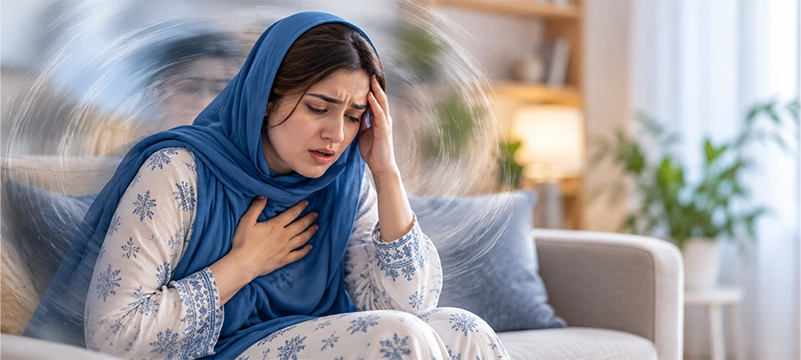
Many people go through their first panic attack in an emergency room, convinced something is seriously wrong with their heart. When every test comes back normal, they are often told "it is just stress" and sent home without real answers. The attacks continue, and so does the fear.
Panic attacks are a genuine medical condition, not a weakness or something you are making up. The symptoms are real because the body's alarm system is firing at full strength. The good news is that panic disorder is one of the most treatable mental health conditions, and most people improve significantly with the right care.
Our panic attack treatment service is built around three simple promises:
Clear answers
We explain exactly what happens during a panic attack, so your symptoms stop feeling mysterious and frightening.
Evidence-based care
Every plan uses proven treatments, such as cognitive behaviour therapy (CBT), breathing training and, when needed, carefully monitored medication.
Privacy and respect
Everything you share stays confidential, and you are treated as a person, not a diagnosis.
What Is a Panic Attack?
A panic attack is a sudden rush of intense fear that comes with strong physical symptoms. It usually builds to a peak within about ten minutes and then gradually settles. Although it feels overwhelming, a panic attack is not dangerous in itself. It is the body's "fight or flight" response switching on when there is no real danger.
Not everyone who has a panic attack has a panic disorder. Panic can show up in different patterns:
Single panic attacks
One or two attacks during a very stressful period of life, which may not return once the stress settles.
Panic disorder
Repeated, unexpected attacks, along with constant worry about the next one and changes in behaviour to avoid it.
Panic with avoidance
Avoiding places like crowds, markets, transport or being alone, for fear of having an attack there.
Panic attacks are common, and many people experience at least one in their lifetime. Understanding which pattern you have helps us choose the treatment that will work best for you, and how quickly you can expect to feel better.
Signs and Symptoms of a Panic Attack
Panic attacks affect both the body and the mind. Because the physical symptoms are so strong, many people believe they are having a heart attack or another medical emergency. During an attack, you may experience several of the following:
Physical symptoms
- A pounding, racing or irregular heartbeat
- Chest pain, tightness or pressure
- Shortness of breath or a feeling of choking
- Sweating, chills or hot flushes
- Trembling or shaking
- Dizziness, light-headedness or feeling faint
- Numbness or tingling in the hands, feet or face
- Nausea or stomach discomfort
Mental and emotional symptoms
- An overwhelming sense of fear or doom
- Racing thoughts and difficulty thinking clearly
- Fear of dying, fainting or having a heart attack
- Fear of losing control or "going mad"
- Feeling detached from your body or surroundings
- A strong urge to escape the situation
After an attack
- Feeling exhausted and shaken for hours
- Constant worry about when the next attack will strike
- Avoiding places where attacks have happened
- Repeated visits to doctors or emergency rooms
- Low mood or frustration about how panic is limiting your life
When to seek help
If you have had more than one panic attack, if you live in fear of another, or if panic is making you avoid places, work, travel or social life, it is time to speak to a specialist. Early treatment stops panic from spreading into more areas of your life. Many of these symptoms can also be caused by physical conditions, which is why a proper medical assessment is always our first step.
Panic symptoms can look like a heart problem. If you have chest pain for the first time, or it feels different from before, seek emergency medical care first. Once your heart has been checked, our team can help with the panic.
Panic Conditions We Treat
Panic Disorder
Panic disorder is diagnosed when panic attacks happen repeatedly and often without warning, and the person spends weeks worrying about the next attack or changes their life to avoid it. Many people with panic disorder start checking their pulse, avoiding exercise or caffeine, and staying close to hospitals. Without treatment, these safety habits slowly take over daily life, affecting work, studies, travel and relationships.
Panic disorder usually begins in the late teens or early adulthood and is around twice as common in women as in men. Stressful life events, a family history of anxiety and a tendency to notice and fear body sensations all increase the risk.
CBT, breathing retraining and gradual exposure to feared sensations form the core of treatment. You learn to respond to a racing heart or dizziness calmly instead of with alarm, which breaks the cycle of fear. Our psychiatrist may add medication for moderate to severe symptoms.
Panic Attacks with Agoraphobia
Some people begin avoiding places where escape might be difficult or help might not be available, such as crowds, markets, buses, lifts or simply being far from home. Over time, the list of avoided places can grow until even leaving the house alone feels impossible.
This avoidance brings short-term relief, but it keeps the fear alive and can make a person increasingly dependent on family for everyday tasks such as shopping or travel. Many people also feel low or frustrated as their world becomes smaller, and some begin to lose confidence in their ability to work or study.
Step-by-step, supported exposure therapy helps you return to the places you have been avoiding, at a pace that feels manageable. Family members can be involved, with your consent, so they know how to support your progress at home.
Night-Time (Nocturnal) Panic Attacks
Some people wake suddenly from sleep with a racing heart, breathlessness and intense fear, without any nightmare to explain it. These attacks can be especially frightening because they happen without any obvious trigger.
Over time, fear of night-time attacks can lead to difficulty falling asleep, which in turn increases anxiety during the day. Poor sleep then makes the body more sensitive, so attacks become more likely, creating a frustrating cycle that is hard to break alone.
We explain why these attacks happen, check for related sleep or medical problems, and use CBT and sleep strategies to break the cycle.
Panic Linked to Other Conditions
Panic attacks often occur alongside other mental health conditions, including generalised anxiety, depression, social anxiety, phobias and post-traumatic stress. In these cases, panic is one part of a bigger picture.
Treating panic alone may not be enough if the underlying condition is not addressed, which is why a complete assessment is so important. Panic attacks can also be triggered by heavy caffeine use, certain medicines, or withdrawal from alcohol or other substances, all of which we look for carefully.
Your treatment plan addresses both the panic attacks and the related condition together, for lasting improvement. This joined-up approach reduces the chance of symptoms returning.
Common Panic Triggers
Panic attacks can appear out of the blue, but many people notice certain triggers, such as:
- Stress, such as exams, work pressure, family conflict or major life changes
- Caffeine and stimulants, including strong tea, coffee, energy drinks and some drugs
- Alcohol and substance use, especially during hangovers or withdrawal
- Lack of sleep, which makes the body's alarm system more sensitive
- Crowded or closed places, such as markets, buses, lifts and cinemas
- Health worries, where noticing normal body sensations sparks fear
- Medical conditions, such as an overactive thyroid or heart rhythm problems
- Past trauma, where reminders bring back intense fear
Identifying your personal triggers is an important part of treatment, although the goal is to stop fearing panic, not to avoid life. Many people find that once they understand their triggers, the attacks feel far less random and much more manageable.
We help you recognise your triggers, reduce the ones you can control, and build confidence to face the rest without fear.
Not sure if it is panic?
You do not need to have the answer. Our assessment will make it clear.
How We Diagnose Panic Attacks
Panic symptoms closely resemble many physical illnesses, so a careful assessment is essential. Your first assessment with our specialist includes:
-
STEP 1
A detailed conversation about your attacks, when they started, what they feel like and how they affect your daily life.
-
STEP 2
A review of your medical history, current medicines and use of caffeine, alcohol or other substances, which can trigger panic.
-
STEP 3
Ruling out physical causes, such as heart rhythm or thyroid problems. Where needed, we may recommend simple tests, such as an ECG or thyroid tests.
-
STEP 4
Checking for related conditions, including anxiety, depression, phobias, agoraphobia and substance use, which often occur alongside panic.
-
STEP 5
Validated questionnaires that measure the severity of your symptoms and give us a clear starting point to track your progress over time.
By the end of the assessment, you will have a clear explanation of what you are experiencing and a personalised treatment plan that you understand and agree with.
Our Treatment Approach
At Dr. Maham Iqbal - Consultant Psychiatrist, we follow a stepped-care approach recommended in international guidelines. We start with the least intensive treatment likely to work for you and step up only if you need more support.
Understanding panic
Learning what panic is takes away much of its power. We explain the fight-or-flight response, why your heart races and your breathing changes, and why these sensations, although unpleasant, are not dangerous. Many people say this explanation alone brings a sense of relief, because the attacks finally make sense. You may also keep a simple panic diary to track when attacks happen and what helps.
Breathing and calming skills
You will learn practical techniques to calm your body when panic begins, including:
- Slow, controlled breathing to settle a racing heart and dizziness
- Grounding techniques to bring your focus back to the present moment
- Progressive muscle relaxation to release physical tension
- Healthy routines, including sleep, exercise and reducing caffeine
Cognitive behaviour therapy (CBT)
CBT is the most effective psychological treatment for panic disorder. It helps you change the frightening thoughts that turn normal body sensations into panic. It also includes gradual, guided exposure to the sensations and situations you fear, so your brain learns they are safe. For example, you may practise bringing on a faster heartbeat through gentle exercise, until it no longer triggers fear.
CBT is usually delivered in weekly sessions over several weeks, and the skills stay with you long after treatment ends.
Medication, when it is needed
For moderate to severe panic, medication can significantly reduce the frequency and intensity of attacks. Our psychiatrist recommends medication only after a full assessment and reviews your progress regularly. Modern first-line medicines for panic are non-addictive, while fast-acting calming tablets are used only briefly and with great caution because of the risk of dependence. Medication works best when combined with therapy, which teaches lasting skills that continue to protect you after treatment ends.
Please never start, stop or change any medicine without medical advice.
Relapse prevention
Before treatment ends, we help you build a personal plan to recognise early warning signs and handle any future attacks confidently, with follow-up appointments when needed. If you have a difficult period in the future, you will know exactly what to do and when to reach out for extra support.
Why Choose Dr. Maham Iqbal - Psychiatrist for Panic Attack Treatment?
Specialist team
Psychiatrists and clinical psychologists working together, so you receive medical and therapeutic care under one roof.
Personalised plans
Every person's panic is different, so every plan is built around your symptoms, triggers, goals and daily routine.
Proven methods
We use treatments backed by research and international guidelines, not shortcuts or quick fixes.
Safe prescribing
Medication only when genuinely needed, with clear explanations and regular reviews.
Complete confidentiality
Your visits, records and conversations stay private, and you are always treated with dignity.
Flexible appointments
In-clinic and online sessions available, so you can get help wherever you are.
Care in your language
Consultations in Urdu and English.
What to Expect at Your First Visit
Taking the first step can feel daunting, especially when you fear having a panic attack. Here is exactly what happens:
- 1 Book your appointment by phone, WhatsApp or our online form.
- 2 Meet your specialist in a calm, private setting for an unhurried assessment of around 45 to 60 minutes.
- 3 Get clear answers about what you are experiencing and what is likely causing it.
- 4 Agree on a plan together, including therapy, practical skills and, only if needed, medication.
- 5 Start feeling supported from day one, with regular follow-ups to track your progress.

Common Myths About Panic Attacks
A panic attack can kill you or give you a heart attack.
Panic attacks feel frightening but are not dangerous in themselves. Chest pain should still be checked by a doctor, especially the first time, but once your heart is cleared, treatment can help you stop fearing these episodes and feel safe in your body again.
Panic attacks are all in your head.
The symptoms are real physical reactions caused by the body's alarm system. Panic disorder is a recognised medical condition that deserves proper care, just like any other health problem.
You should avoid anything that triggers panic.
Avoidance makes panic stronger over time and makes your world smaller. Treatment helps you face triggers safely and take back control of your daily life.
Breathing into a paper bag is the best fix.
Slow, controlled breathing is safer and more effective, and therapy addresses the root of the problem, so attacks become less frequent over time.
Panic attacks never go away.
Panic disorder responds very well to treatment, and many people become completely free of attacks.
Frequently Asked Questions
How long does a panic attack last?
Most panic attacks peak within about ten minutes and settle gradually afterwards, although you may feel tired and shaken for some time afterwards. Some people experience several attacks close together.
Can panic attacks be cured?
Yes. Most people improve significantly with treatment, and many become symptom-free. Therapy also gives you skills to handle any future attacks confidently.
How do I know it is a panic attack and not a heart attack?
The symptoms can overlap, so if you are unsure, especially the first time, seek emergency care. Once heart problems are ruled out, our team can help you manage panic.
What should I do during a panic attack?
Remind yourself it will pass, breathe slowly, focus on your surroundings and try not to run from the situation. Our therapists teach these skills step by step, so you feel prepared and confident when you need them most.
How long does treatment take?
Many people see improvement within a few weeks of CBT, with a full course usually lasting several weeks to a few months. We will give you a realistic timeline after your assessment, based on your symptoms and goals.
Will I need medicine for life?
No. Many people are treated with therapy alone. When medication is used, it is usually for a defined period and reduced gradually under supervision.
Can I have a session online?
Yes. Online consultations are available — confirm availability when you book.
Can panic attacks affect children and teenagers?
Yes. Panic attacks often begin in the teenage years. Early help makes a real difference, so please get in touch if you are concerned.
Is my information confidential?
Absolutely. Your information is kept strictly private and never shared without your consent, except where the law requires it.
Take the First Step Today
Panic attacks can make you feel trapped and afraid, but they do not have to control your life. With the right support, you can stop fearing the next attack and return to the places and activities you love, and enjoy life with confidence again.
Our team at Dr. Maham Iqbal - Consultant Psychiatrist is here to listen without judgement and guide you, one step at a time. Book your confidential consultation today.
If you are having thoughts of harming yourself or are in crisis, please contact emergency services or go to your nearest hospital emergency department immediately.
More Services
- Anxiety Treatment
- Panic Attack Treatment
- Personality Disorder Treatment
- Depression Treatment
- Drug Addiction
- OCD Treatment
- Sleep Disorder Treatment
- Bipolar Disorder Treatment
- Generalized Anxiety Disorder Treatment
- Psychotherapy
- Child and Adolescent Mental Health
- Schizophrenia Treatment
- PTSD Treatment